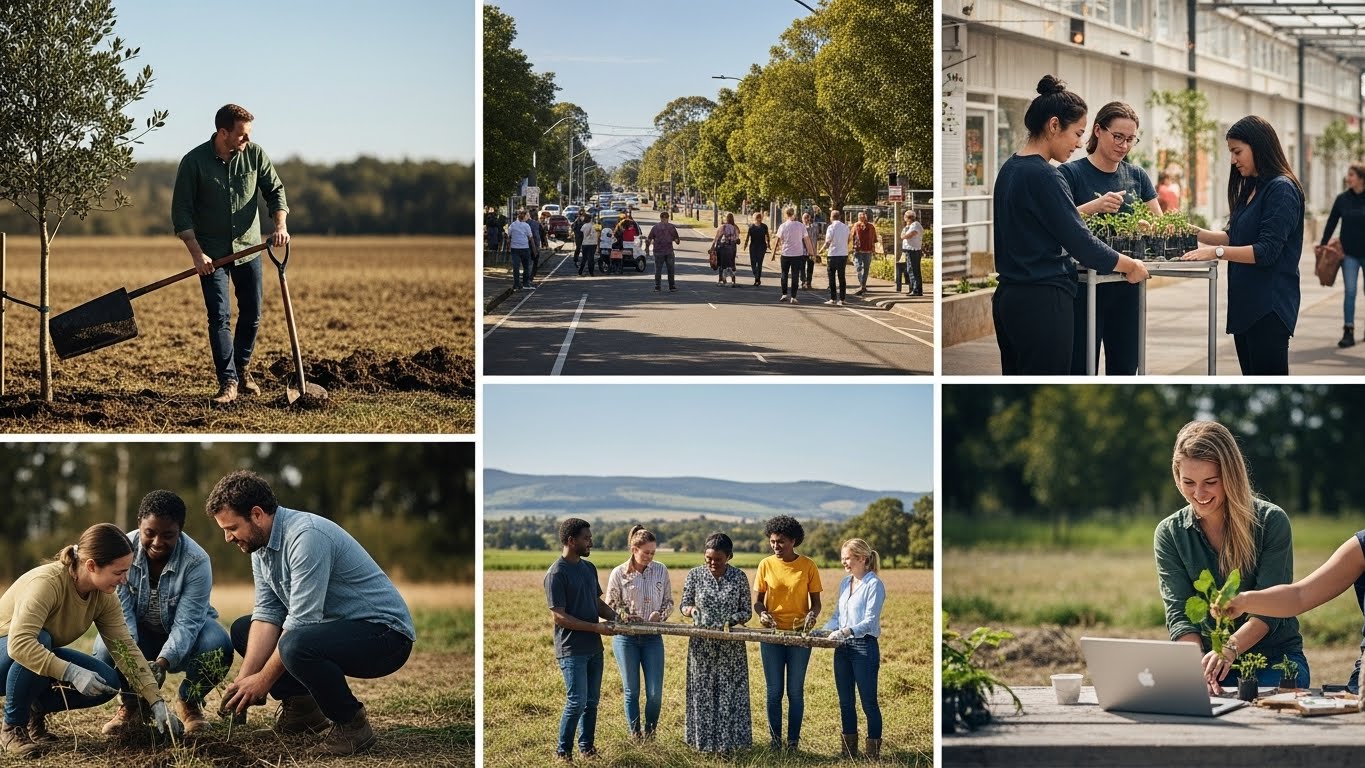
Regenerative leadership is a style of leadership that goes beyond sustaining systems. It restores, renews, and multiplies value for people, communities, and the environment. It is about creating leadership that not only avoids harm but actively builds stronger, healthier, and more resilient systems for the long term.
Unlike traditional leadership, which may focus only on maintaining current operations, regenerative leadership seeks growth that benefits both people and purpose. It aligns vision, values, and action to create lasting, positive impact.
What Is Regenerative Leadership?
Regenerative leadership is the practice of leading with the goal of enhancing and revitalizing the systems you are part of. It emphasizes:
• Human development and empowerment
• Community resilience and social impact
• Ethical, sustainable decision-making
• Continuous learning and adaptation
In simple terms, regenerative leadership asks:
How can my leadership create value that grows, spreads, and lasts, rather than simply maintaining the status quo?
Why Regenerative Leadership Matters
The challenges of today, including social inequity, environmental crises, and organizational disruption, require leaders who can renew and regenerate rather than merely sustain. Regenerative leadership matters because it:
• Builds resilient teams, communities, and systems
• Encourages innovation rooted in purpose and long-term thinking
• Amplifies positive impact across generations
• Aligns leadership actions with ethical, social, and environmental responsibility
Organizations and communities led regeneratively are better equipped to thrive in a changing world.
Core Principles of Regenerative Leadership
Regenerative leadership is grounded in principles that guide leaders to create sustainable, multiplying impact.
Purpose-Driven Vision
Regenerative leaders operate with a clear vision that aligns with long-term social and environmental good. Purpose becomes the compass for all decisions and strategies.
Empowerment and Mentorship
Leaders focus on developing others, building capacity and confidence in teams, communities, and stakeholders. They see their role as multiplying leadership, not hoarding it.
Ethical and Sustainable Decision-Making
Decisions are made with the long-term well-being of people, communities, and the environment in mind. Short-term gains are balanced with lasting value creation.
Learning and Adaptation
Regenerative leaders embrace continuous learning, reflection, and adaptation. Challenges are seen as opportunities for growth, and feedback is used to improve systems and processes.
Practical Steps to Lead Regeneratively
Leaders can embed regenerative practices into their work through:
• Assessing impact: Regularly evaluate how actions affect people, communities, and ecosystems
• Mentorship programs: Develop future leaders who share the regenerative mindset
• Sustainable partnerships: Collaborate with organizations that prioritize social and environmental well-being
• Innovation for renewal: Implement solutions that restore resources, relationships, or community structures
• Embedding feedback loops: Use lessons learned to continually improve leadership practices
These actions ensure leadership contributes to growth, resilience, and sustainability.
Examples of Regenerative Leadership in Action
Practical examples help illustrate the concept:
• Community Development Projects: Leaders initiate programs that not only solve immediate problems but strengthen local capacities for future growth.
• Mentoring Emerging Leaders: Experienced leaders intentionally mentor younger or underrepresented leaders, empowering them to lead with purpose and multiply impact.
• Sustainable Organizational Practices: Decisions prioritize environmental stewardship, social responsibility, and long-term systemic health rather than short-term gain.
• Adaptive Problem Solving: Leaders respond to challenges by innovating solutions that restore balance and strengthen the system for all stakeholders.
These examples show regenerative leadership as action-oriented, ethical, and forward-thinking.
Measuring Regenerative Leadership
Regenerative leadership can be evaluated by:
• Growth and empowerment of people and communities
• Sustainability and resilience of organizational systems
• Long-term social, environmental, and cultural impact
• Multiplication of leadership capacity across teams and communities
Measurement ensures that leadership is actively creating lasting, positive effects rather than simply maintaining existing structures.
Regenerative Leadership Is Built Daily
Leadership is not regenerative by default. It is cultivated through consistent reflection, intentional action, and alignment with purpose. Every decision, conversation, and initiative is an opportunity to restore, renew, and multiply impact.
Final Reflection
Regenerative leadership transforms the way we think about influence. It moves beyond maintenance or control and emphasizes growth, renewal, and multiplied value. Leaders who adopt this mindset create systems, communities, and teams that flourish long into the future.
Regenerative leadership is about leading with purpose that regenerates people, communities, and impact, ensuring that leadership today strengthens tomorrow.
Closing Prayer
Heavenly Father,
Grant wisdom, vision, and courage to leaders embracing regenerative practices.
May their decisions restore, renew, and multiply good in communities, organizations, and the world.
In Jesus’ name, Amen.